


Can You Contest a Will UK? Grounds, Process Explained

Can You Contest a Will? Grounds and Process Explained
Disputes over wills can be complex and emotionally challenging. It is not uncommon for family members or dependants to question whether a will is valid or fair. In many cases, concerns arise during an already difficult period, which can make decisions feel even more overwhelming.
This guide explains when a will can be contested in the UK, the legal grounds involved and what the process looks like in practice. It is designed to help you understand your position clearly before taking any action.
Can You Contest a Will in the UK?
A will can only be contested under specific legal grounds. It is not enough to feel that the outcome is unfair or unexpected. The law requires a clear legal basis supported by evidence.
This is an important distinction. Many people assume they can challenge a will simply because they were excluded or received less than expected. In reality, the courts will only intervene if there is a recognised legal issue with the will itself or with the provision made.
Understanding whether your situation meets these criteria is the first step in deciding whether you may have a valid claim.
Legal Grounds for Contesting a Will
There are several recognised grounds for contesting a will in the UK. Each has its own legal tests and evidential requirements. Some relate to the validity of the will, while others focus on whether it makes reasonable financial provision.
Lack of Testamentary Capacity
One of the most common grounds is lack of testamentary capacity. The person making the will must have had the mental ability to understand what they were doing at the time it was created.
This means they must have understood the nature of making a will, the extent of their estate and the people who might reasonably expect to benefit. If there are concerns about conditions such as dementia, cognitive decline or serious illness, this may raise questions about capacity.
Medical records often play a key role in these cases. The court will look at whether the person had sufficient understanding at the specific time the will was signed.
Undue Influence
Undue influence occurs when someone has pressured or coerced the person into making or changing their will. This pressure must go beyond persuasion and must override the person’s free will.
These cases can be difficult to prove and often rely on surrounding circumstances, behaviour patterns and witness accounts.
Fraud or Forgery
A will can be contested if it is believed to be fraudulent or forged. This includes falsified signatures or situations where the person was misled into signing the document.
These cases often involve expert evidence and detailed examination of documents.
Lack of Proper Execution
A will must be signed and witnessed correctly to be valid. If legal formalities are not followed, the will may be invalid.
Even small errors can lead to serious legal issues, particularly if the witnessing process is unclear.
Claims Under the Inheritance Act
In some cases, a will may be valid but still open to challenge if it does not make reasonable financial provision.
Eligible individuals include spouses, children and dependants. The court considers financial need and the size of the estate.
Time Limits for Contesting a Will
Time limits depend on the type of claim. Inheritance Act claims usually must be made within six months of probate being granted.
Other claims do not always have strict deadlines, but delays can weaken a case.
The Process of Contesting a Will
The first step is to seek legal advice. A specialist will assess whether your claim has merit.
Evidence must then be gathered, which may include medical records, financial documents and witness statements.
A caveat may be entered to prevent probate being granted while the dispute is ongoing.
Many disputes are resolved through negotiation or mediation. If no agreement is reached, the case may proceed to court.
Costs Involved
Costs vary depending on complexity and whether the case goes to court. Legal fees, expert reports and court costs may apply.
In some cases, costs may be paid from the estate. In others, the losing party may be required to pay.
Risks to Consider
Contesting a will can be emotionally and financially challenging. There is no guarantee of success and disputes can affect family relationships.
How Long Does It Take?
Some disputes are resolved in a few months, while others can take years if court proceedings are required.
When Should You Consider Contesting a Will?
You may consider a claim if you were financially dependent, excluded, or if there are concerns about capacity or influence.
The Importance of Early Advice
Final Thoughts
Contesting a will requires a valid legal basis and strong evidence. Understanding the process helps you make informed decisions and protect your position.
Back To BlogShare This Post


Recent posts
- What Are the Duties of an Executor? By , 15/06/2026
- Executor vs Administrator UK: What’s the Difference? By , 15/06/2026
- Executor Liability: Can You Be Held Personally Liable? By , 15/06/2026
2015 Archive
2016 Archive
2018 Archive
2019 Archive
2020 Archive
2023 Archive
- July 10 posts
0 Archive
- December 1 posts
Blog Categories
Find your way through the probate maze
Click here to follow our step-by–step probate process guide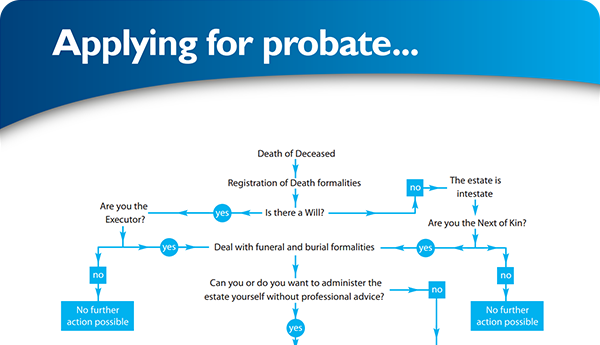
Testimonials
Excellent service, everything went very smoothly. Like to thank Ann and her team.... read more
Good & Reliable service, always kept up to date with what was happening. Value for money.... read more
Latest Tweet
Follow @ProbateBureau


Contact Us
0800 028 2837 info@probatebureau.comTHE PROBATE BUREAU
3 Crane Mead Business Park
Crane Mead
Ware
Hertfordshire
SG12 9PZ
×